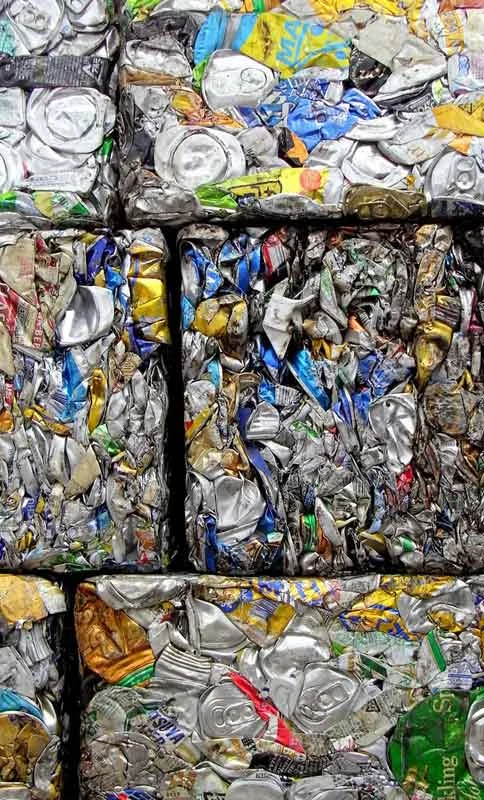
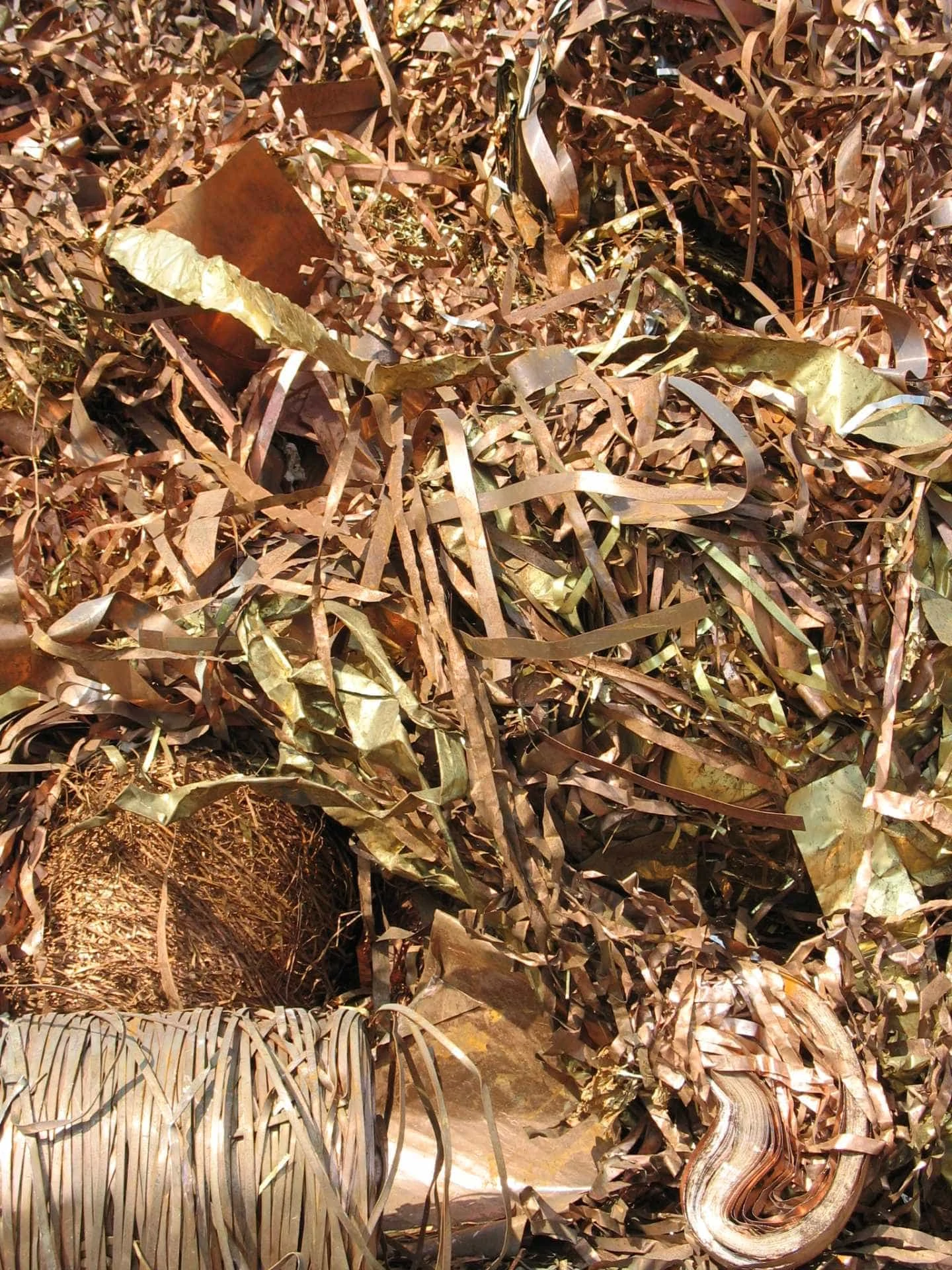





Non-ferrous scrap is purchased from three primary sources, manufacturers and other non-ferrous scrap sources who generate or sell aluminum, copper, stainless steel and other nickel-bearing metals, brass, high-temperature alloys and other metals, producers of electricity, telecommunication service providers, defense and recycling companies that generate obsolete scrap consisting primarily of copper wire, titanium and high-temperature alloys and used aluminum beverage cans, and peddlers who deliver directly to the Company’s facilities, material which they collect from a variety of sources. It also collects non-ferrous scrap from sources other than those that are delivered directly to its processing facilities by placing retrieval boxes near these sources. The boxes are subsequently transported to the processing facilities.
Non-ferrous scrap metals are prepared, principally stainless steel and other nickel-bearing metals, copper and aluminum, for resale by sorting, shearing, cutting, chopping or baling. The sorting operations separate non-ferrous scrap by using manual classification. In addition, many non-ferrous metals are sorted and identified by using grinders, hand torches, eddy current separation systems and spectrometers. It sorts non-ferrous scrap for further processing according to type, grade, size and chemical composition. Throughout the sorting process, it determines whether the material requires further processing before being sold.
The Company processes aluminum, stainless steel and other nickel-bearing metals based on the size of the recycled metal and customer specifications. Large pieces of aluminum or stainless steel are cut using stationary alligator shears and are baled along with small aluminum or stainless steel stampings to produce large bales of aluminum or stainless steel. Smaller pieces of aluminum and stainless steel are repackaged to meet customer specifications.
Copper scrap may be processed in several ways. In addition to wire chopping, it processes copper scrap by successive granulation and final selection by air-tables and electrostatic separator.
Other non-ferrous metals are processed using similar cutting, baling and repacking techniques as used to process aluminum. Other significant non-ferrous metals it processes include titanium, brass and high-temperature alloys. Processed non-ferrous scrap is sold to end-users, such as specialty steel makers, foundries, aluminum sheet and ingot manufacturers, copper refineries and smelters, and brass and bronze ingot manufacturers. Prices for the majority of non-ferrous scrap metals change based upon publication of spot and futures prices on the London Metals Exchange.

If you have any question do not hesitate to contact to Zoltán